
Industries That Need Cradle to Cradle Certification in GCC
The demand for green products is growing fast. Businesses across the Gulf face new rules. Buyers want safe materials. Governments demand green building compliance. Your products need a clear trust mark.
You need the right sustainable product certification UAE Saudi Qatar markets respect. This guide explains the Cradle to Cradle certification industries GCC businesses must understand.
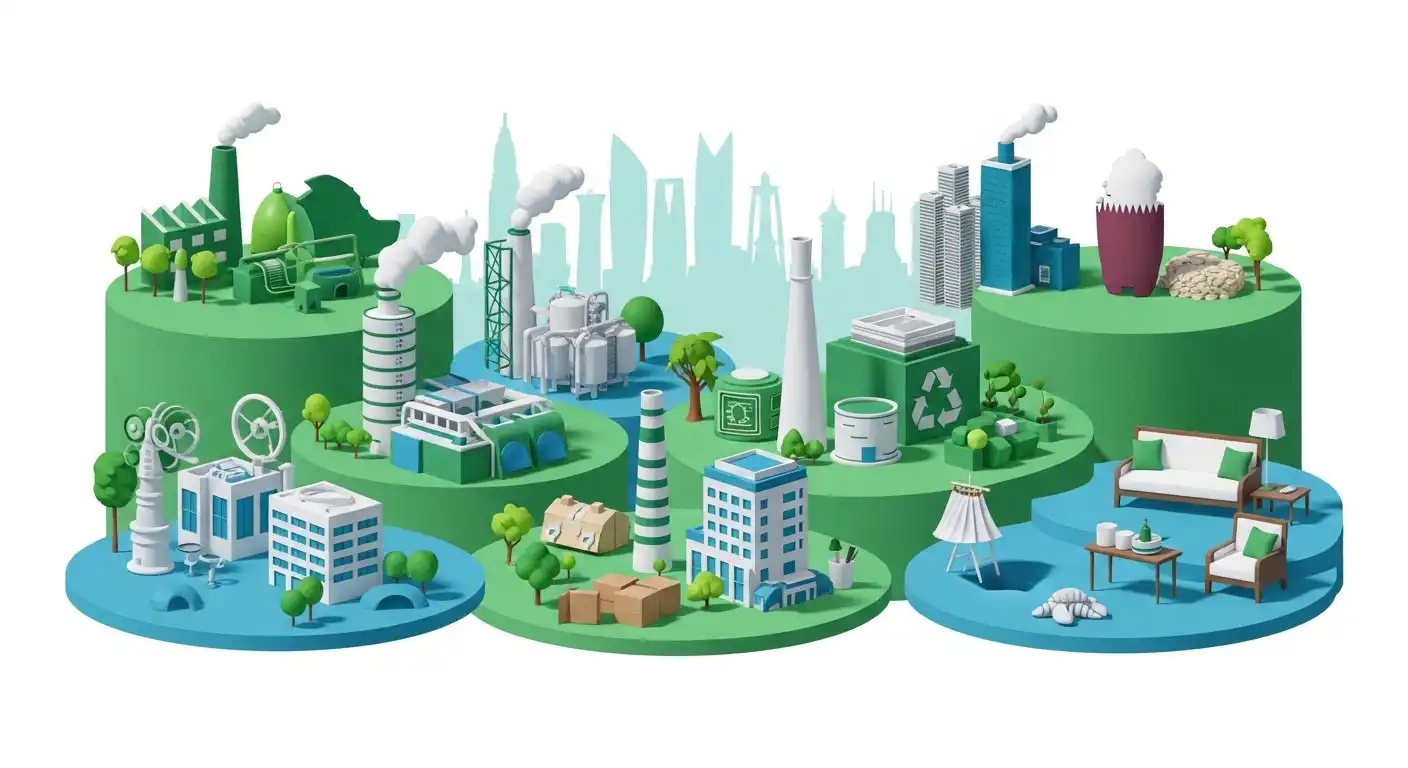
What Industries Use Cradle to Cradle Certification?
Every major sector is changing. The circular economy concept focuses on zero waste. It means products go back into the system safely. They do not end up in landfills.
Why are industries in GCC shifting? The market demands it. Green product certification industries GCC wide see higher profits. Governments set strict rules. Megaprojects require safe materials.
Green building demand is massive. Products must align with LEED standards. Environmental, Social, and Governance (ESG) goals drive this shift. Your buyers need proof. You give them that proof with certification. It proves your products meet global standards.
Why Industries in UAE, Saudi, and Qatar Need C2C Certification
The GCC market moves fast. You must keep up or lose contracts. Cradle to cradle Saudi Qatar requirements are expanding quickly.
Here is why your sector needs this standard:
- Government sustainability goals: The UAE Net Zero 2050 plan demands action. Saudi Vision 2030 requires circular systems. Qatar National Vision 2030 pushes eco-friendly materials.
- Green building mandates: Dubai has Al Safat. Abu Dhabi uses Estidama. Megaprojects use LEED. They demand safe, circular products.
- Export requirements: Europe and North America want green products. They check supplier standards. Certification opens these markets.
- ESG pressure: Investors look at your impact. They fund clean businesses. They drop risky assets.
Your buyers expect compliance. You must meet these standards to win bids.
Top Industries That Need Cradle to Cradle Certification in GCC
Different sectors face unique challenges. We break down the top industries using cradle to cradle certification below. Look at the specific use cases. See how the standard applies to your business.
Construction and Building Materials Industry
This is the biggest market. Mega-developments need safe materials. Building materials must not harm health.
Key materials include:
- Concrete and cement
- Steel and metal framing
- Thermal and acoustic insulation
- Paints, coatings, and sealants
- Tiles, glass, and cladding
LEED and green building demand drive this sector. Green building certification gives developers points. They get points when you supply certified products. This makes you their top choice. You win more contracts.
Real Use Cases:
- Infrastructure projects: Airports and railways need sustainable concrete. They require safe steel.
- Smart cities: NEOM in Saudi Arabia demands circular materials. Masdar City in the UAE requires strict compliance.
- Commercial towers: Developers want high indoor air quality. They buy low-emission paints. They demand certified glass.
You can learn more about cradle to cradle certification UAE requirements for builders.
Cleaning Chemicals and Hygiene Products Industry
Chemicals impact human health daily. Buyers want safety. They do not want toxic fumes.
Key factors include:
- Volatile Organic Compound (VOC) regulations
- Hospital and healthcare hygiene
- Hotel and hospitality cleaning
- School and university maintenance
Indoor air quality is vital. Bad chemicals cause health issues. Governments test these products. You need a safe profile.
Real Use Cases:
- Hospitals: They need strong cleaners. The cleaners must not harm patients. Certified formulas win these hospital contracts.
- Hotels: Luxury resorts promote wellness. They want green cleaners. They reject harsh chemicals.
- Schools: Children are sensitive to fumes. Schools mandate low-VOC products.
Packaging and Paper Industry
Waste is a big problem. Plastic reduction is a major goal. The packaging sector must adapt.
Key drivers include:
- Biodegradable packaging demand
- Plastic reduction regulations
- Fast-Moving Consumer Goods (FMCG) market shifts
- E-commerce shipping materials
Consumers hate plastic waste. Governments tax single-use plastics. You must design packaging for reuse or composting.
Real Use Cases:
- Food delivery: Apps want compostable containers. They need safe ink. They reject toxic glues.
- Retail boxes: Stores want recycled cardboard. They demand safe dyes.
- FMCG brands: Soda and water brands need circular bottles. They look for certified plastics.
Furniture and Interior Design Industry
Interiors affect our daily lives. Furniture must be safe. It must be circular.
Key areas include:
- Office furniture and desks
- Fit-out contractors and builders
- Commercial projects and lobbies
- Residential home furnishings
Wood must come from safe sources. Glues must be non-toxic. Fabrics must not contain harmful dyes.
Real Use Cases:
- Corporate offices: Companies buy ergonomic chairs. They want chairs made from safe, recycled parts.
- Fit-out contractors: They build retail stores. They need certified wood panels. They need safe flooring.
- Hotels: Resorts buy hundreds of beds. They want safe mattresses. They need clean carpets.
Textile and Apparel Industry
Fashion creates massive waste. The GCC retail market is huge. Sustainability is a new priority.
Key elements include:
- Sustainable fabrics and yarns
- Export compliance to Europe
- Retail brand demand for green labels
- Uniforms for corporate staff
Dyes often pollute water. Fabrics often shed microplastics. You must prove your textiles are clean.
Real Use Cases:
- Corporate uniforms: Airlines need thousands of uniforms. They want safe, durable, circular fabrics.
- Luxury retail: High-end brands want premium, green materials. They check the supply chain.
- Export manufacturers: GCC factories export clothes. EU buyers demand chemical safety. Certification proves this safety.
Personal Care and Cosmetics Industry
People put these products on their skin. Safety is the top concern.
Key factors include:
- Ingredient safety and testing
- Chemical transparency for buyers
- Eco-label alignment and marketing
- Packaging safety
Your lotions and soaps must be pure. You cannot hide bad chemicals.
Real Use Cases:
- Skincare brands: Lotions must not disrupt hormones. Buyers read labels closely. Certification builds trust.
- Hotel amenities: Luxury hotels give out small soaps. They want these to be eco-friendly. They look for the mark.
- Baby products: Parents demand absolute safety. Certified baby shampoo sells much faster.
Electronics and Consumer Products Industry
E-waste is growing fast. Devices must be designed better.
Key focus areas:
- Material safety and heavy metals
- Recycling requirements and take-back laws
- Circular design for easy repair
- Safe plastics in devices
Gadgets contain toxic metals. They use complex plastics. You must design them for easy disassembly.
Real Use Cases:
- Smart home devices: Thermostats use safe plastics. They avoid toxic flame retardants.
- Office tech: Printers and monitors must be recycled. You design them to snap apart easily.
Lighting: LED fixtures use safe metals. They align with green building codes.
Which Industry Benefits the Most from Cradle to Cradle Certification?
Every industry gains value. However, some see faster returns.
High ROI sectors include:
- Building materials: Developers buy in bulk. One certified product wins a massive contract.
- Cleaning chemicals: Institutional buyers need huge volumes. They mandate green standards.
- Packaging: FMCG brands buy millions of units. They switch to green suppliers fast.
Fast-growing demand is everywhere. The construction sector moves the fastest. Green building laws force this change. If you make concrete or paint, you see instant benefits.
Real Business Benefits for Each Industry
You do not just get a badge. You get real business power.
These are the main benefits:
- Higher contract wins: You score higher in procurement. Governments prefer your bids.
- Government approvals: You pass customs easily. You meet local safety rules faster.
- Export advantage: You sell to Europe smoothly. You bypass strict trade blocks.
- Brand trust: Consumers see your label. They trust your quality. They pay a premium.
This standard improves your whole factory. It cuts waste. It saves water. It reduces your energy bills. Exploring C2C certification levels shows you how to climb the ladder of success.
Industries That MUST Consider C2C Certification (High Priority)
Some businesses can wait. Others cannot. These groups must act now.
- Government suppliers: Do you sell to the state? You need this.
- Construction material suppliers: Do you sell to megaprojects? You need this.
- Export manufacturers: Do you ship outside the GCC? You need this.
- Chemical makers: Do you produce cleaners or paints? You need this.
- Packaging makers: Do you supply major food brands? You need this.
If you fall into these groups, do not delay. Your competitors are already upgrading.
How to Choose If Your Industry Needs C2C Certification
Are you unsure? Use this simple checklist.
Ask yourself these questions:
- Do you supply to construction projects?
- Do you export products to strict markets?
- Do you handle chemicals or dyes?
- Do your buyers ask about your ESG goals?
- Do you want to win green government tenders?
- Do you struggle to prove your products are safe?
If you answered yes to any question, you need this. It is time to act. It is time to secure your market share. Combining this with an EPD certification offers even more power.
How Envirolink Helps Industries Get Certified
The process seems hard. You do not have to do it alone. Envirolink is your expert partner.
We provide:
- End-to-end support: We guide you from start to finish. We handle the hard paperwork.
- Supplier coordination: We talk to your raw material suppliers. We check their safety data.
- GCC expertise: We know the local laws. We know what UAE, Saudi, and Qatar buyers want.
- Gap analysis: We find where you fall short. We help you fix it fast.
We make it simple. We save you time. We help you win. Look into broader green building certification strategies with us.
Start Your Cradle to Cradle Certification for Your Industry
Do not wait for new laws to block your sales. Act now. Secure your place in the circular economy.
Become the top choice for green projects. Build trust with your buyers. Prove your materials are safe and circular.
Contact Envirolink today. Claim your free consultation offer. Let us evaluate your products. We will build your certification roadmap. Win more business tomorrow.
FAQs – Industries and C2C Certification
Which industries need cradle to cradle certification most?
The construction, chemical, and packaging sectors need it most. Megaprojects and new laws drive massive demand for safe materials.
Is C2C certification only for construction products?
No. It covers many sectors. Cosmetics, textiles, furniture, and electronics all use it to prove safety.
Can small industries apply for C2C certification?
Yes. Small businesses benefit greatly. It helps them compete with large brands. It proves their high quality to buyers.
Which industry gets fastest ROI from C2C certification?
Building material suppliers see the fastest ROI. They win large-scale green building contracts very quickly.
Is C2C certification required for export from GCC?
It is not always legally required, but it is highly preferred. European buyers heavily favor certified suppliers.
How does C2C help in LEED projects?
LEED projects need safe materials. Using C2C-certified products gives the developer extra LEED points. This makes your products highly attractive.

